The Dawn of Civilization: The Mysterious World of Urfa, Göbeklitepe, and Karahan Tepe
Explore Urfa, Göbeklitepe and Karahan Tepe: the world's earliest temple complexes, sacred legends, visitor tips, and why these sites redefine human history.
TEST
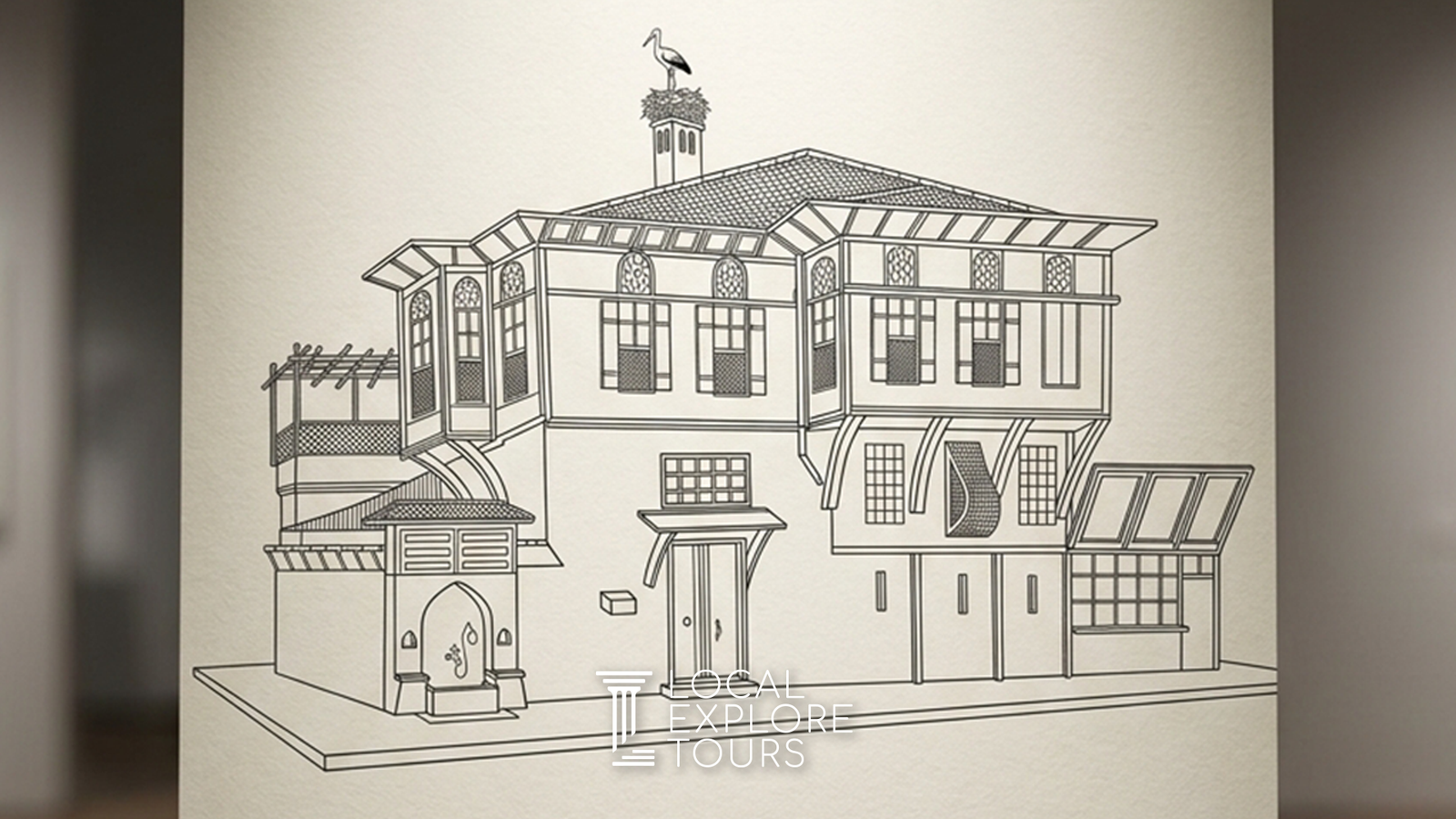
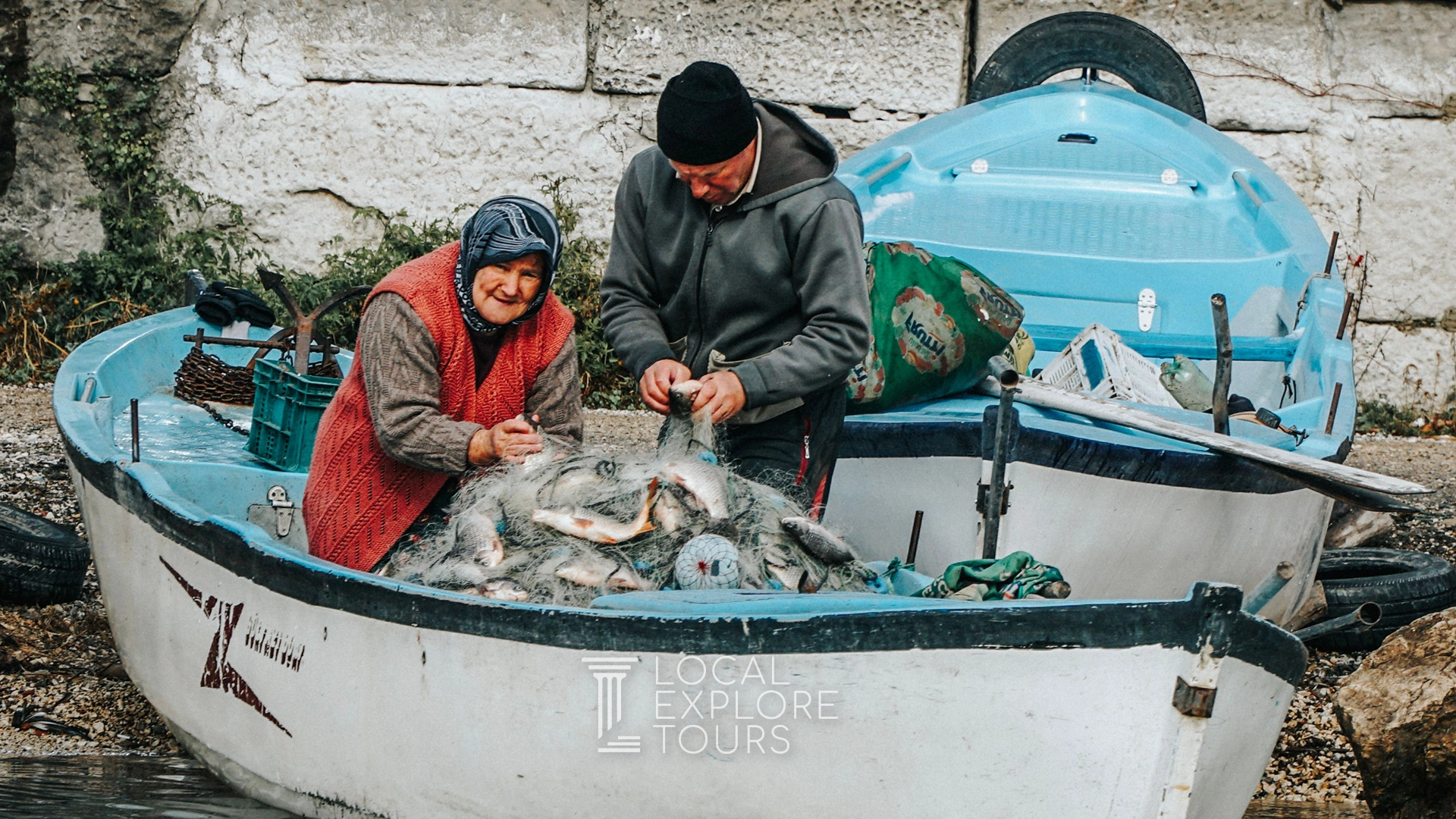
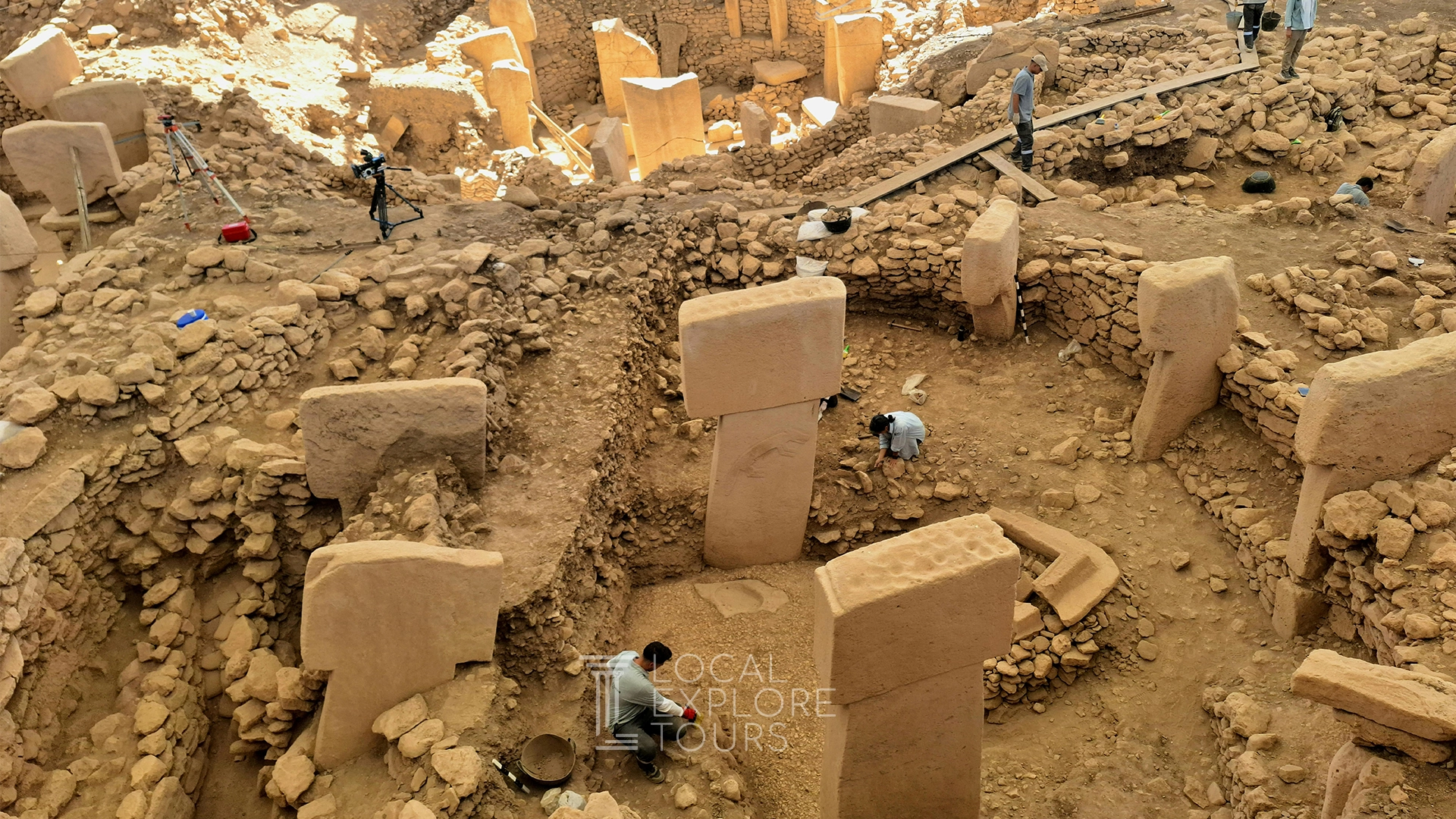
In the heart of Anatolia lies Göbeklitepe, the world’s oldest known temple complex, captivating historians, archaeologists, and travelers alike. Often called the 'dawn of civilization,' this site has reshaped human history. The journey begins in Şanlıurfa, known as the 'City of Prophets,' believed to be the birthplace of Abraham. Visitors explore Balıklıgöl, where legend says fire turned to water and wood into sacred fish. Urfa’s streets, stone houses, and rich spice markets create an unforgettable atmosphere, while its cuisine offers kebabs, liver dishes, and the famous raw meatballs (çiğ köfte).
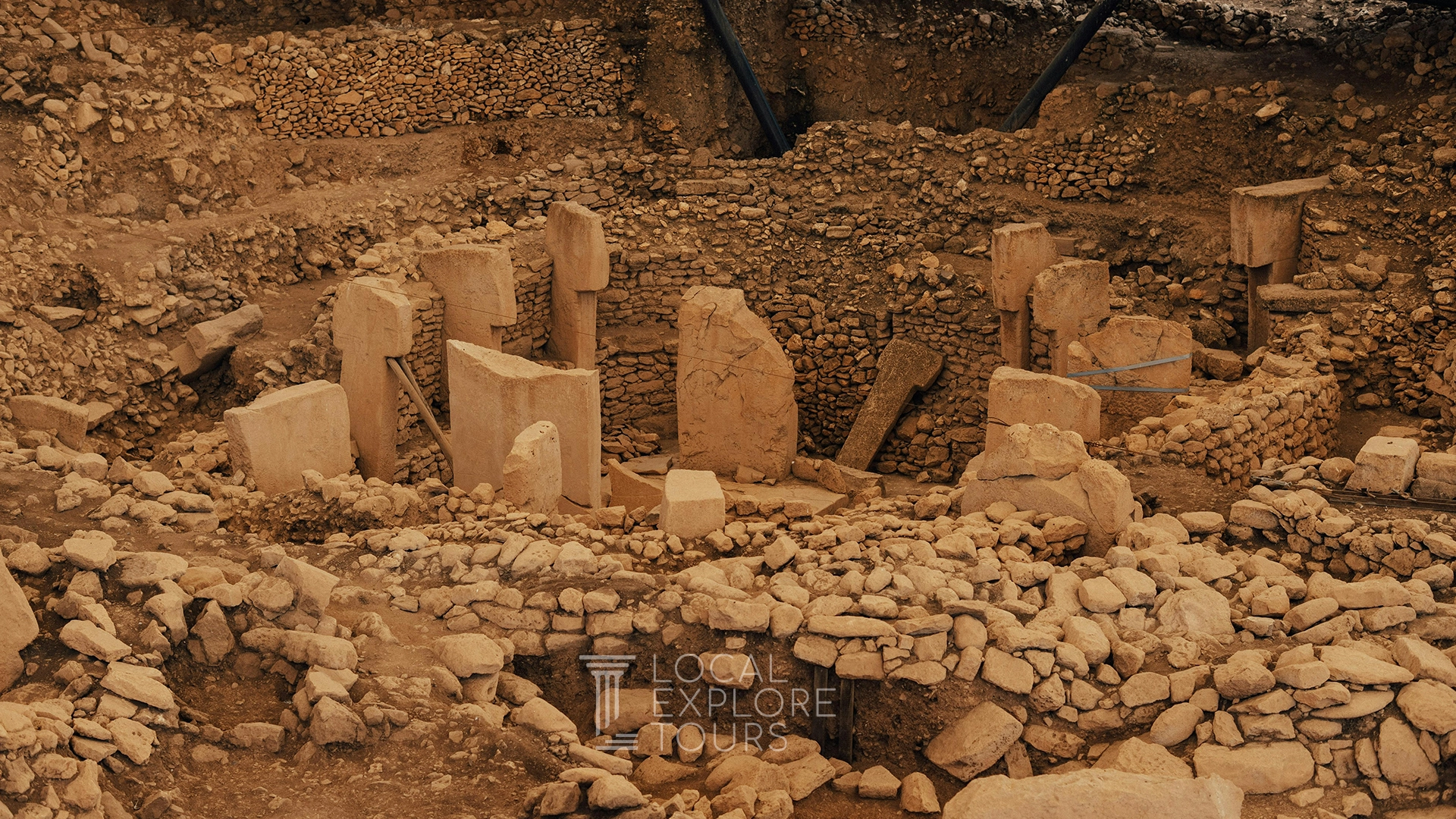
Göbeklitepe, dating to 9600 BCE, features iconic T-shaped pillars carved with animals, symbols, and mysteries still unsolved. Recent excavations extend to Karahan Tepe and Sefer Tepe, suggesting a vast prehistoric ritual network. Karahan Tepe, with over 250 pillars and unique carvings of human faces and serpents, reveals new dimensions of early symbolism. Both sites challenge our understanding of human consciousness, ritual, and society. Visiting them feels like stepping into a time machine.
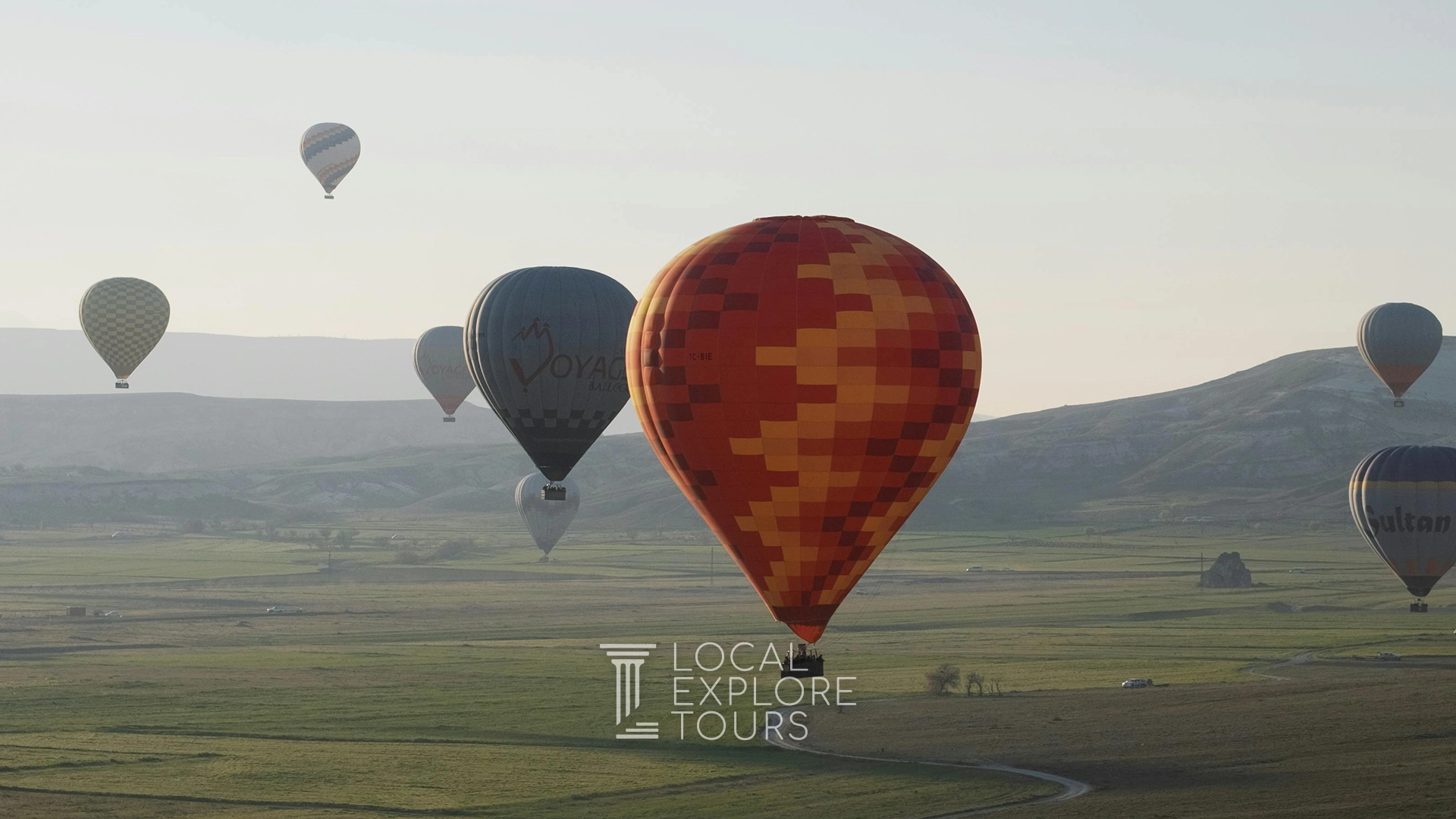
Visitor Tips: Best seasons are spring and autumn to avoid extreme heat. Plan 3–4 hours for Göbeklitepe and Karahan Tepe, or a full day if adding Sefer Tepe. Hiring a local guide is highly recommended to understand the symbolism and historical context.
Urfa, Göbeklitepe, and Karahan Tepe are a true time capsule—inviting every visitor to reflect on the eternal question: 'What were these people doing here, and why?'

Göbeklitepe’s T-shaped monolithic pillars
Balıklıgöl (Pool of Sacred Fish), Şanlıurfa
DENEME
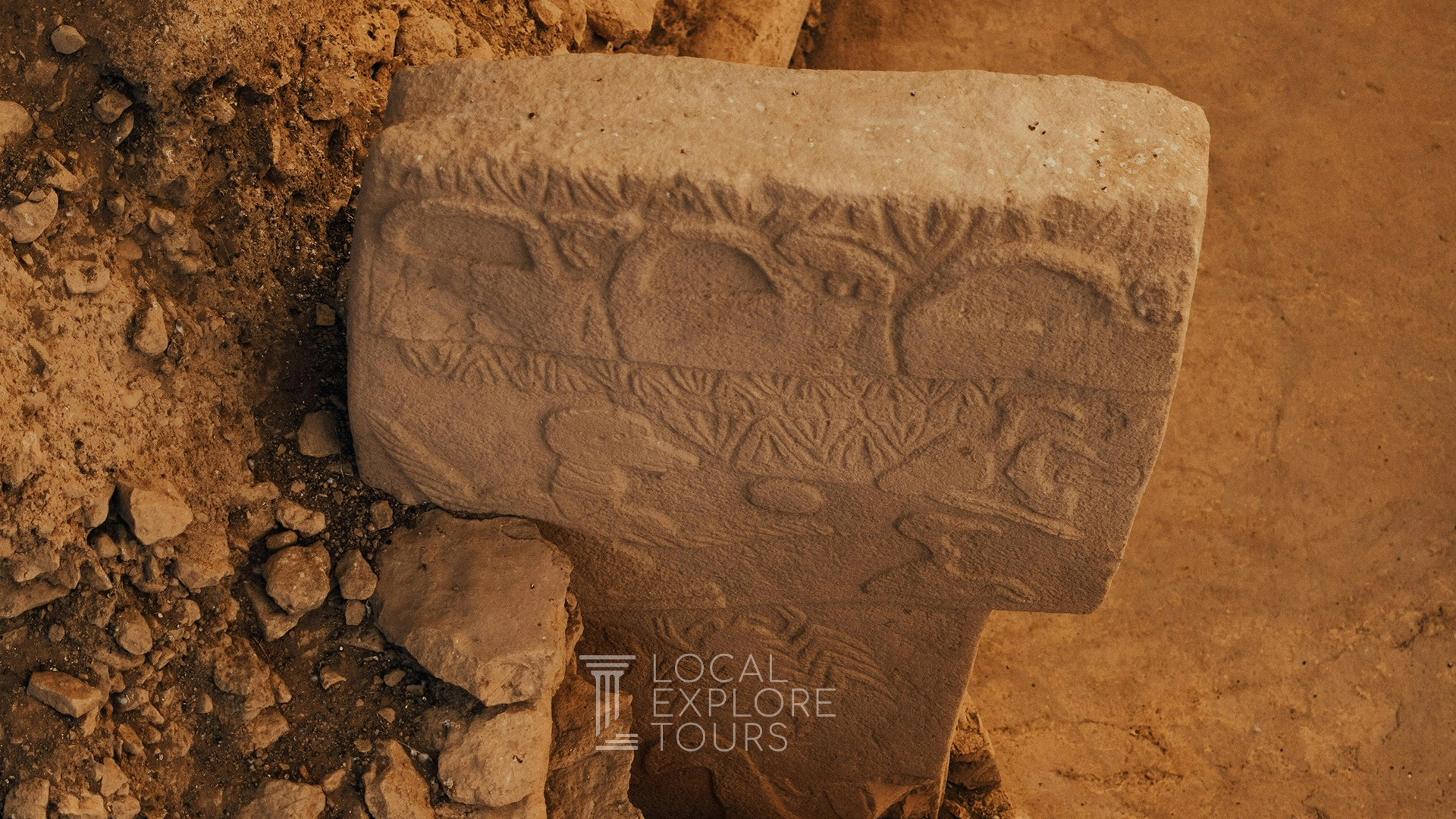
Karahan Tepe’s enigmatic pillars and reliefs
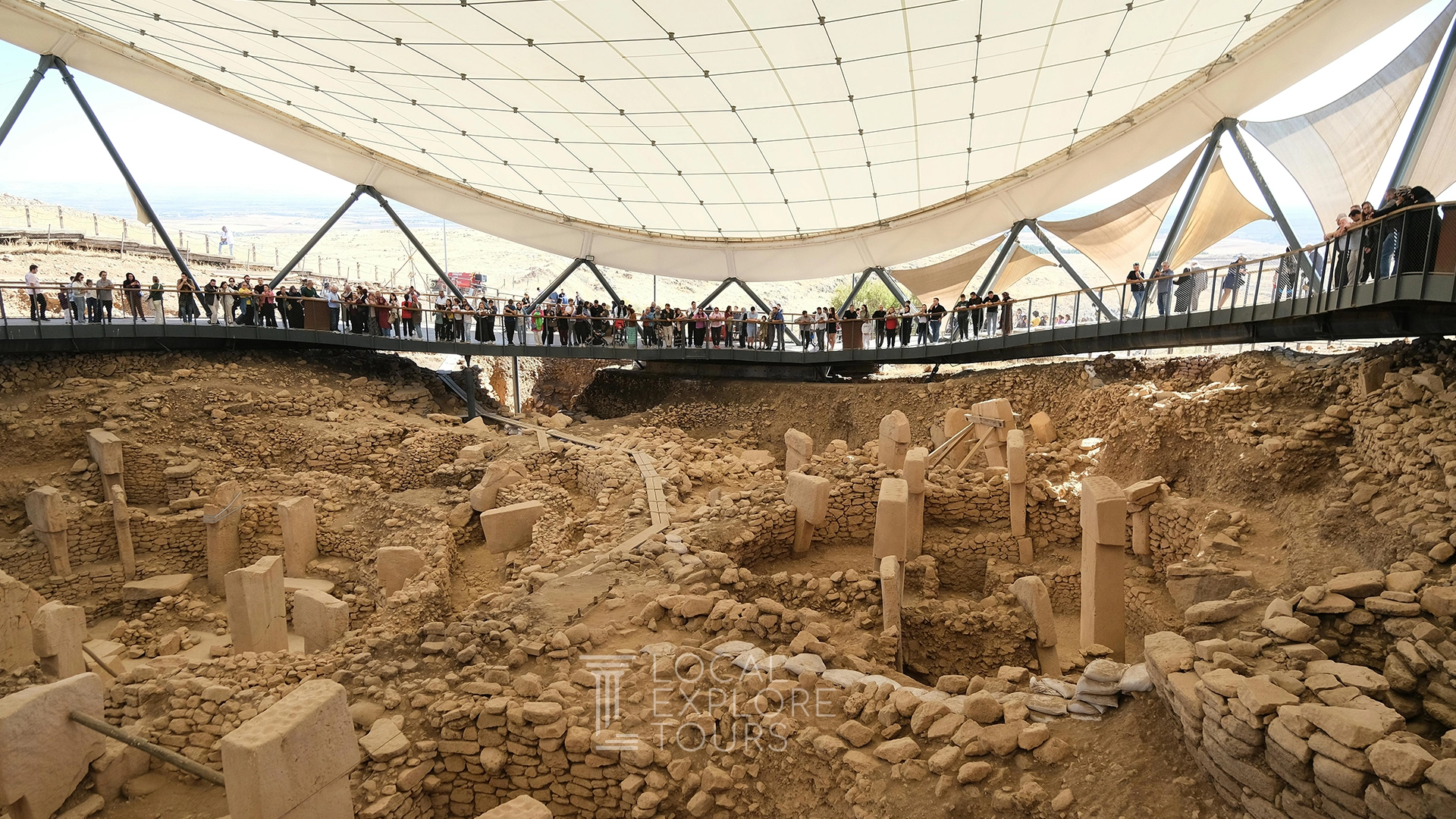
Streets of Urfa and spice markets