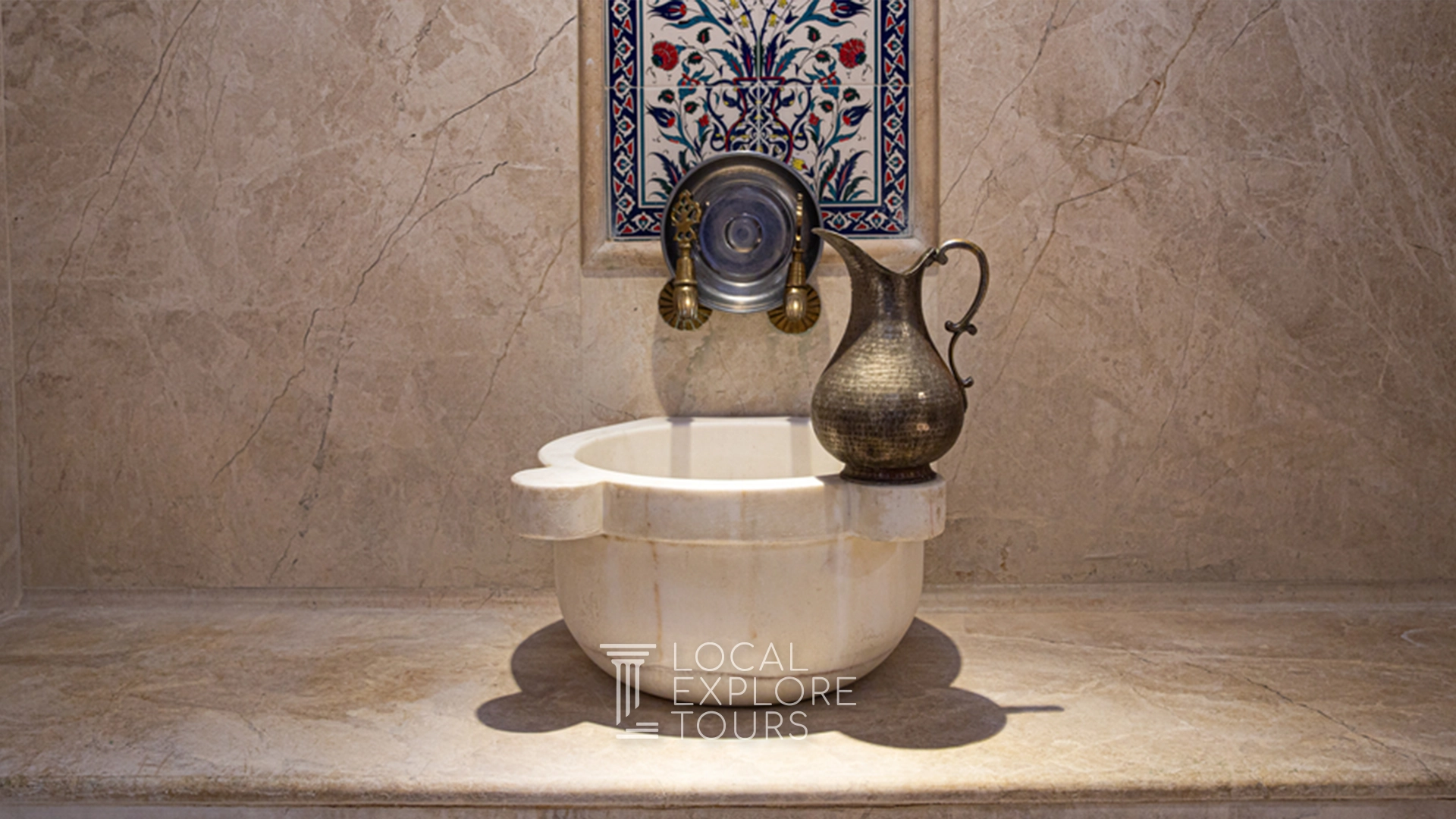
The Legacy of the Bath
The Legacy of the Bath
The Roman Foundations: The Thermae
The ritual of the bath is a timeless narrative that flows through the history of Anatolia like water through an aqueduct. While often associated with the Ottomans, this culture of purification began centuries earlier with the Romans, creating a continuous lineage of architectural brilliance and social connection.
The story begins with the Roman Thermae, which were much more than places for hygiene; they were the ultimate social and athletic hubs of the ancient world.
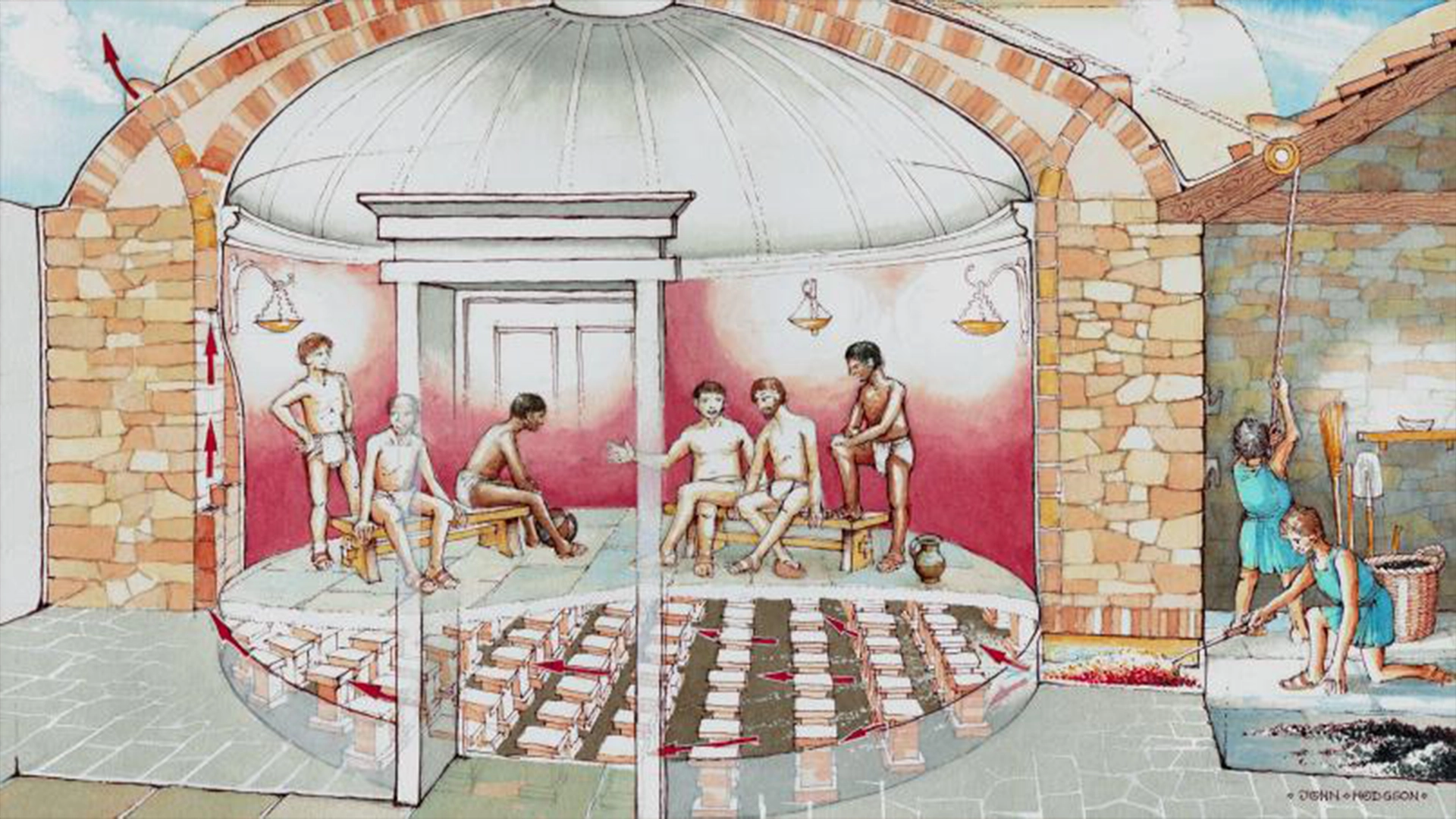
Engineering Marvels: The Romans perfected the hypocaust system, an advanced underfloor heating method that allowed for massive, steam-filled halls.
The Three-Step Ritual: Roman bathers moved through a sequence of rooms: the Frigidarium (cold), Tepidarium (warm), and Caldarium (hot), a structural blueprint that would later influence the Ottoman design.
A Public Forum: In Roman cities like Ephesus or Hierapolis, the baths were places for exercise, libraries, and political debate, making them the heart of civic life.
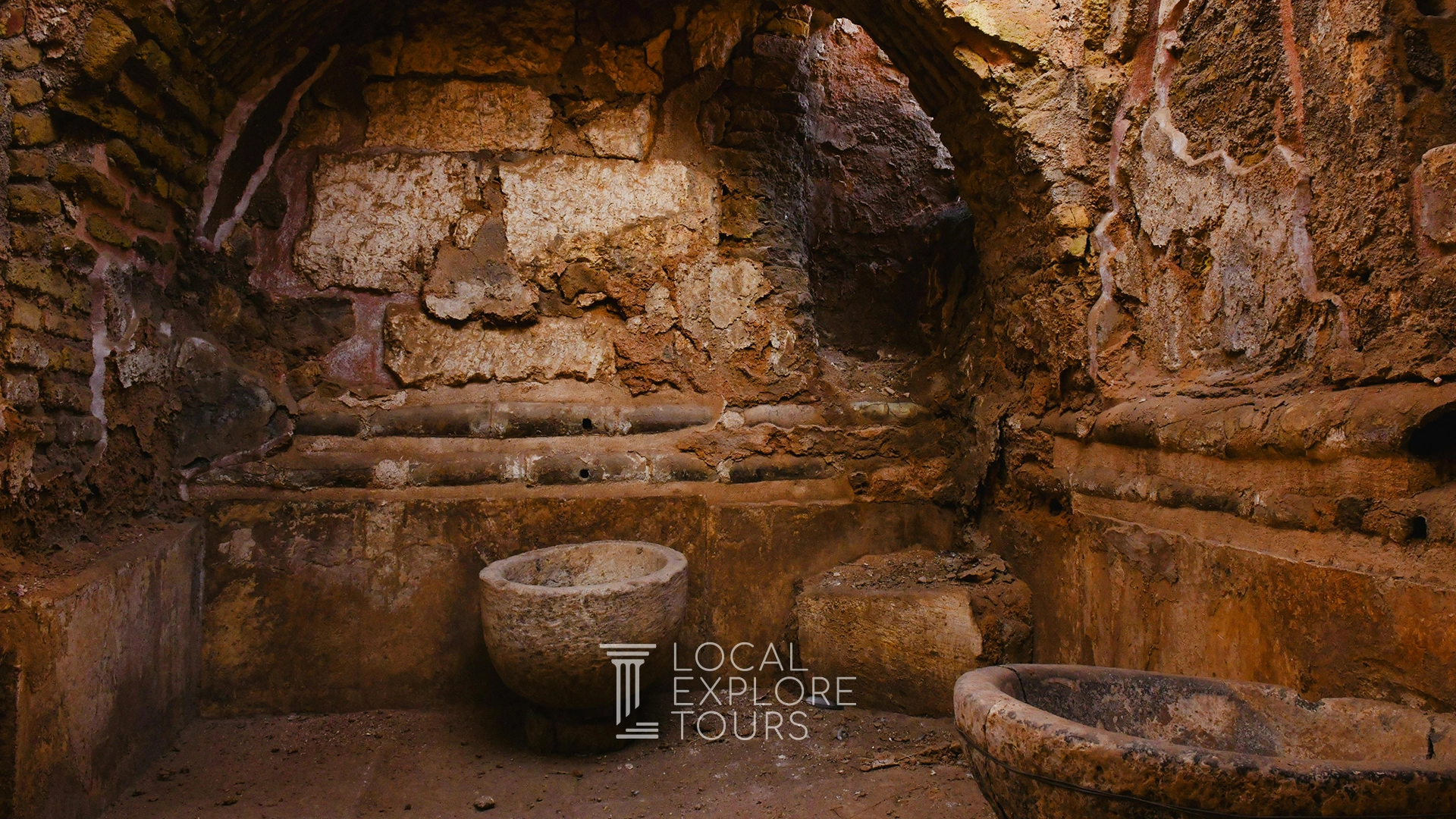
A Living Cultural Bridge
The transition from the Roman Thermae to the Ottoman Hammam represents a thousand-year evolution of the "art of bathing":
Historical Continuity: Many historic hammams in Turkey were built directly upon or using the foundations of ancient Roman baths, literally layering history upon history.
Sensory Heritage: The feeling of the silk kese (exfoliating mitt) and the warmth of the marble are sensations that have been enjoyed by emperors, sultans, and travelers alike for millennia.
A Timeless Ritual: Today, stepping into a historic bath is an invitation to participate in a tradition that bridges the gap between ancient civilizations and the modern quest for tranquility.
Experience the fusion of two great empires. From the monumental ruins of Rome to the dome-covered elegance of the Ottomans, the bath remains the ultimate ritual of renewal.