The Lycian Way
A Timeless Odyssey Through the Ruins of History
Walking Through the Shadows of Ancient Empires
The Lycian Way is more than just a trekking route; it is an immersive journey through the very blueprints of civilization. Stretching over 500 kilometers between Fethiye and Antalya, this trail offers a unique restoration of the spirit, blending physical challenge with the serene beauty of the Mediterranean coast. For the modern traveler, it is a rare opportunity to step out of the rush and into a narrative that has been thousands of years in the making.
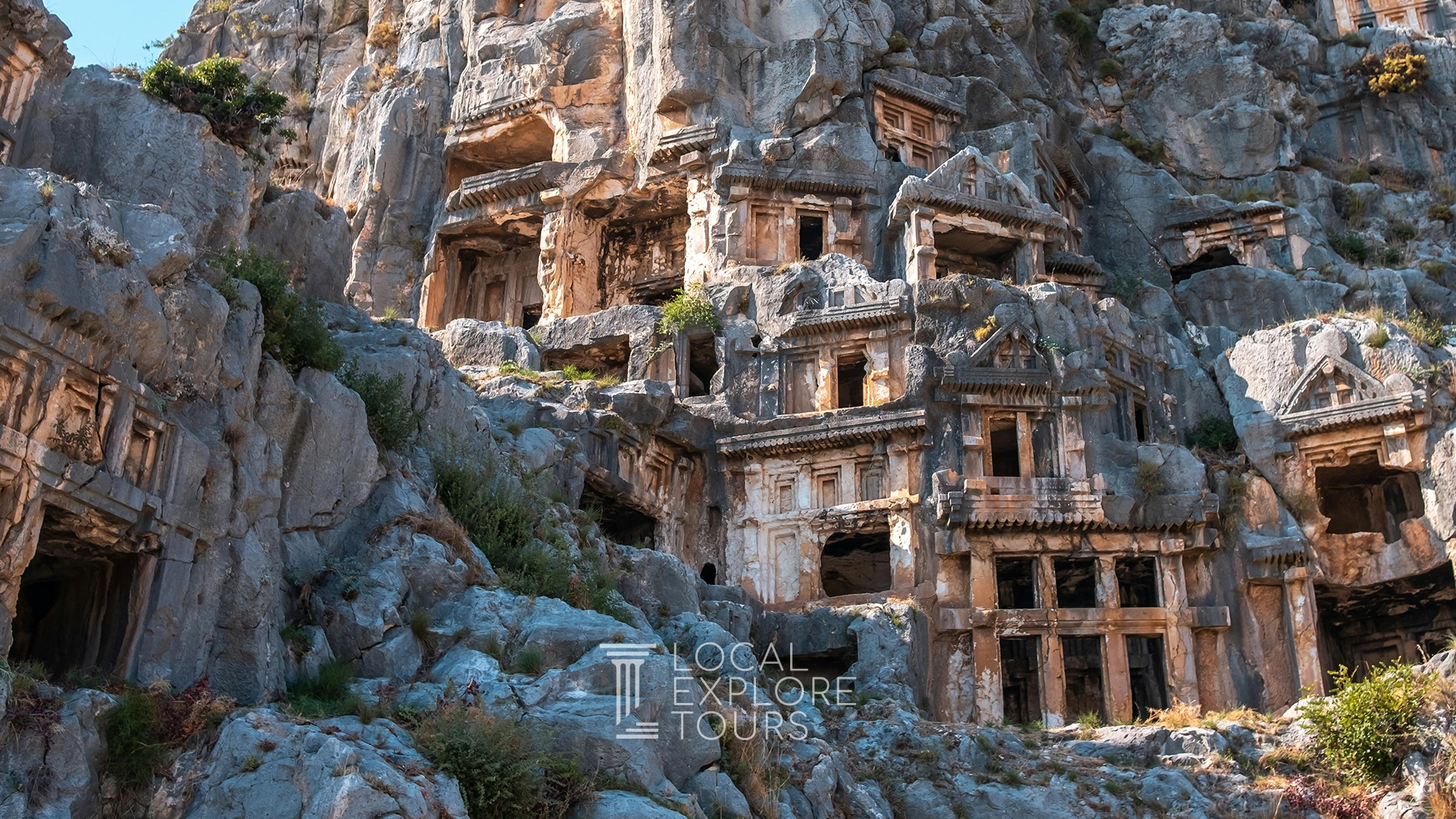
The path weaves through the heart of the Lycian League, famously known as the world’s first democratic union. As you trek, the landscape reveals its architectural heritage:
Ancient Ruins at Every Turn: You will encounter the haunting rock-cut tombs of Myra, the sun-drenched amphitheaters of Patara, and the mystical eternal flames of Chimaera that have burned for millennia.
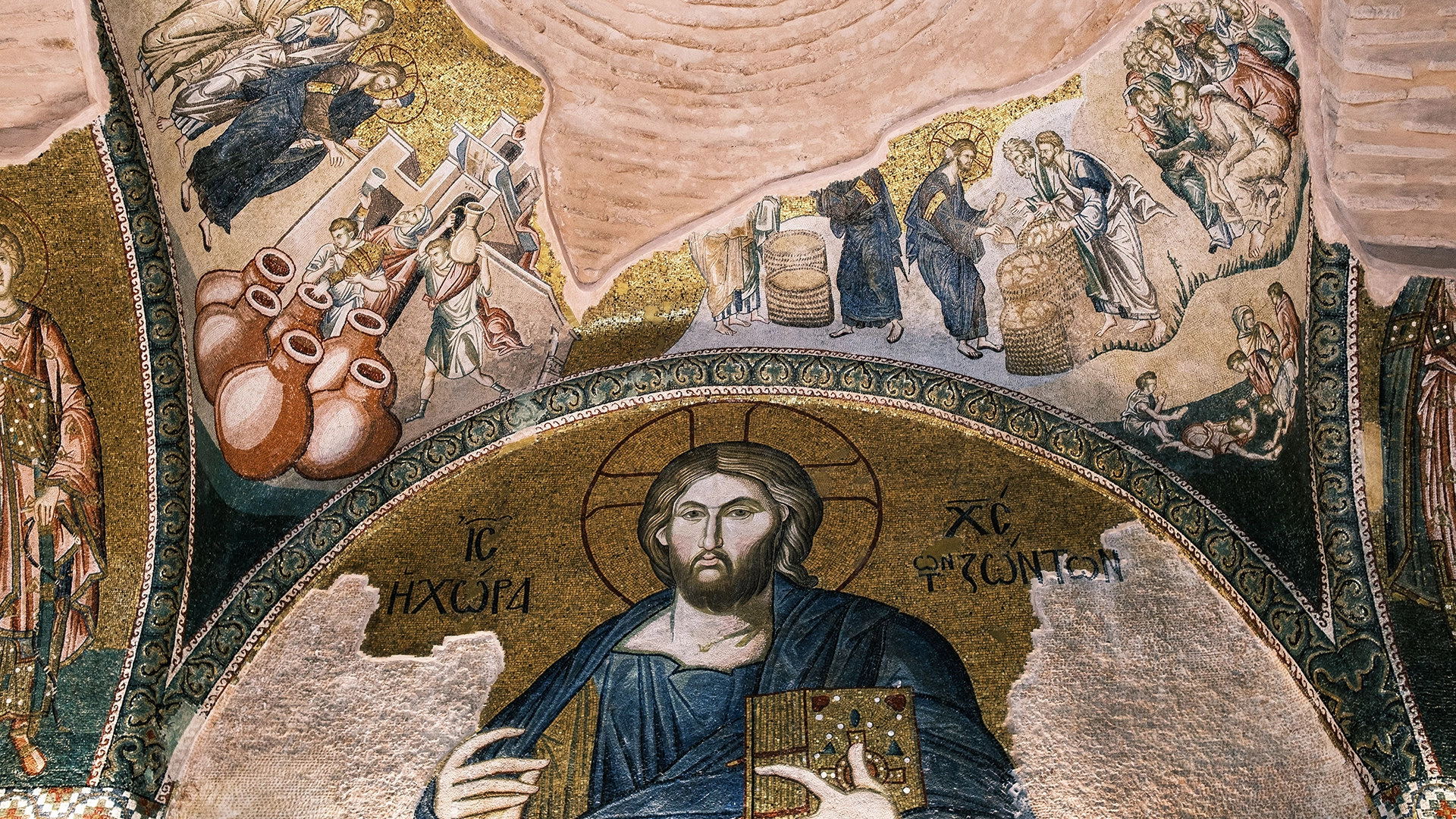
A Natural Museum: Every step is a discovery of Roman roads, Byzantine churches, and Greek temples that stand as a testament to the region's enduring cultural legacy.
Archaeological Depth: The route connects over 20 major archaeological sites, allowing you to witness the layers of history from the Hittite influence to the grandeur of the Roman era.
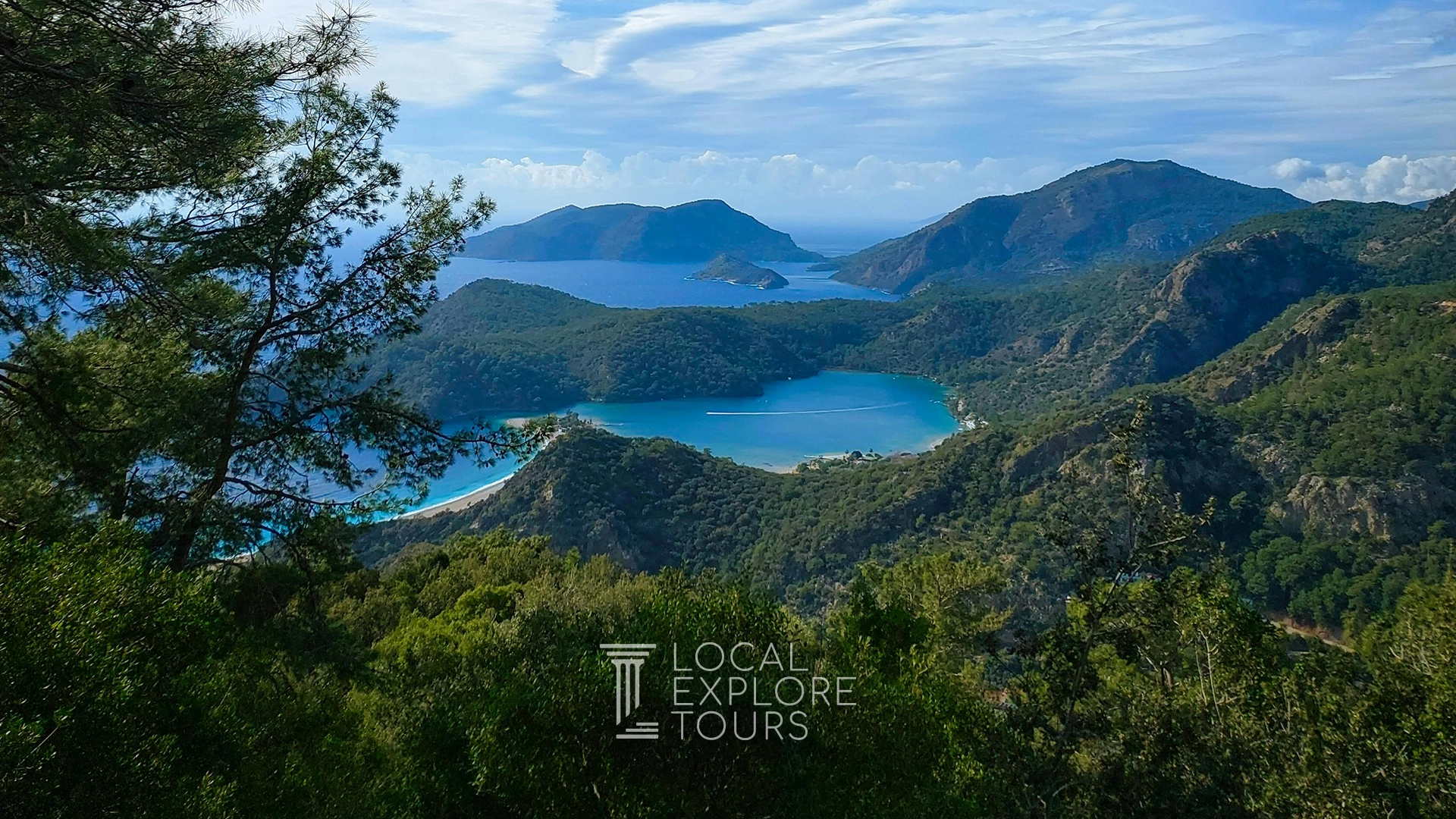
Where Rugged Mountains Meet Turquoise Seas
The Lycian Way is world-renowned for its dramatic shifts in scenery, offering a landscape that feels like a private project of nature itself:
Breathtaking Vistas: The trail alternates between rugged mountain ridges and secluded turquoise bays. From the heights of Mount Olympus to the butterfly-filled valleys of Faralya, the views are constantly shifting and awe-inspiring.
Hidden Coves: Escape the crowds and find solace in secret bays accessible only by foot or boat, where the water remains as crystal clear as it was in antiquity.
Natural Diversity: Walk through fragrant cedar forests, olive groves, and coastal paths that provide a refreshing sensory experience away from the urban noise.
An Exclusive and Tailored Adventure
True to a "bespoke" travel philosophy, the Lycian Way is not a one-size-fits-all experience. It can be adapted to fit your personal rhythm and interests:
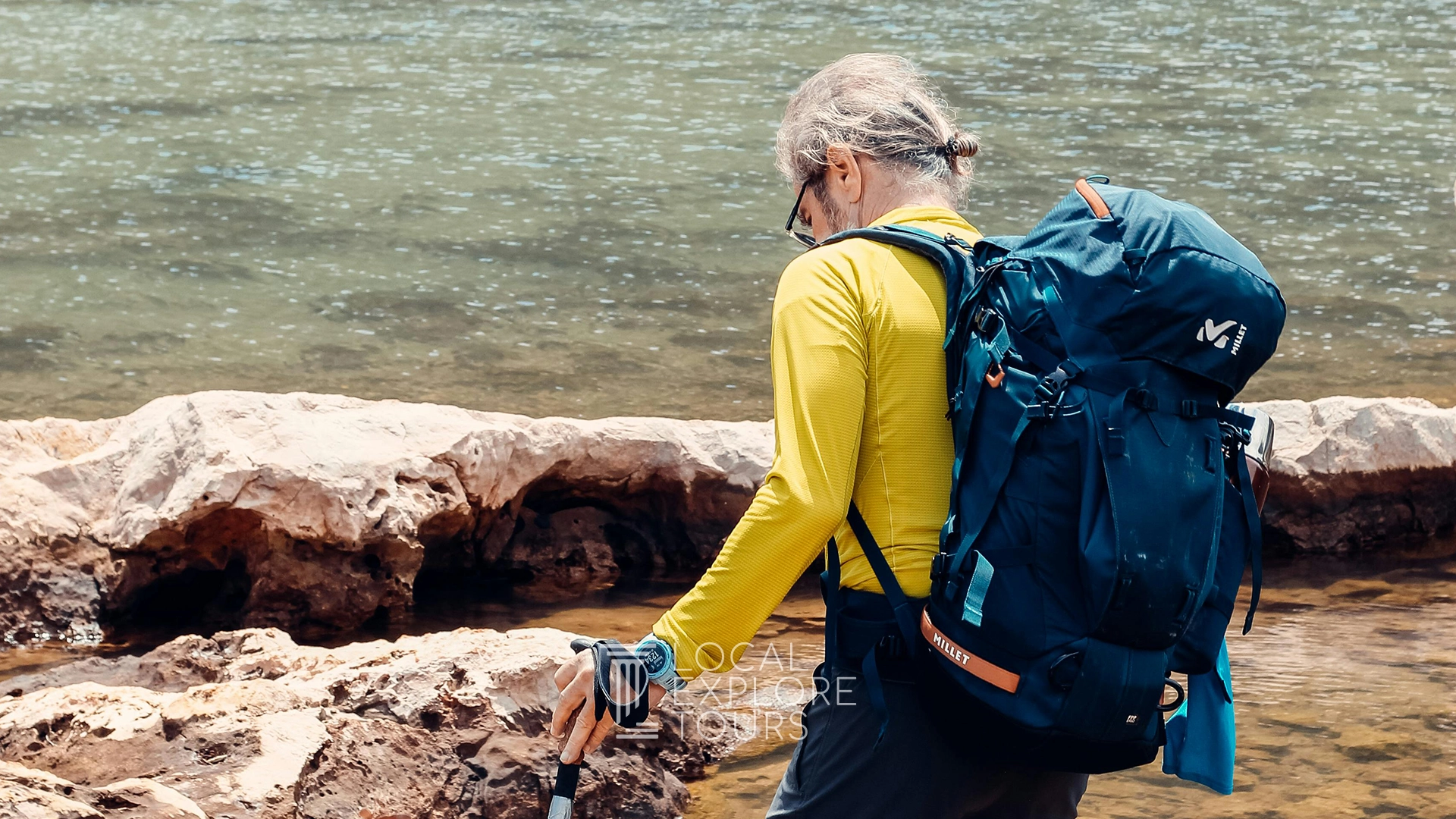
Customized Treks: Whether you are looking for a challenging multi-day expedition or a gentle afternoon stroll between ancient ruins, the route offers segments for every fitness level.
Authentic Hospitality: Along the way, you can choose between staying in charming village guesthouses or retreating to luxury boutique hotels that overlook the Mediterranean, ensuring a high-end experience after a day of exploration.
The Art of Slow Travel: This journey encourages you to slow down, listen to the stories of the land, and reconnect with a more deliberate way of living.
Are you ready to walk the path of the ancients? The Lycian Way is waiting to tell you its story.