Ani: The Legendary City of 1,001 Churches
The Legendary City of 1,001 Churches
Ani: The Legendary City of 1,001 Churches
Once a flourishing capital of the Medieval Armenian Bagratid Kingdom, Ani reached its golden age during the 10th and 11th centuries. Dramatically positioned on a high plateau overlooking the Akhurian River, Ani was a vital hub along the Silk Road, attracting merchants, scholars, and craftsmen from across regions.
Known as the “City of 1,001 Churches,” Ani earned this title from its remarkably rich religious and cultural life. Today, visitors can still explore the remains of these sacred structures, each standing as a silent witness to the city’s former grandeur.
Architectural Wonders of Ani
The ruins of Ani showcase an extraordinary blend of Armenian medieval architecture and advanced fortification systems. Among the most remarkable landmarks are:
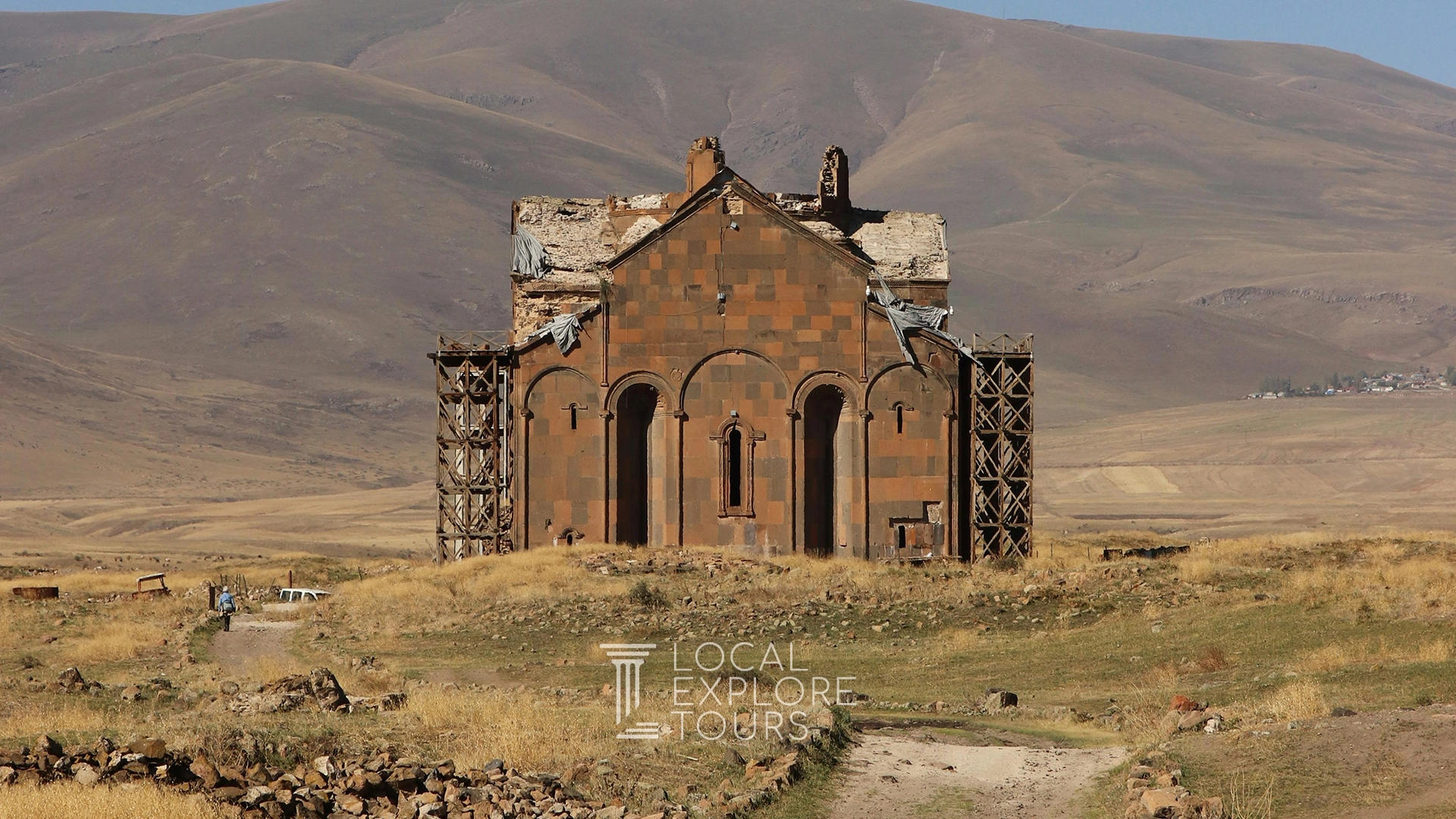
• Ani Cathedral, designed by the renowned architect Trdat, admired for its soaring arches and refined stone craftsmanship.
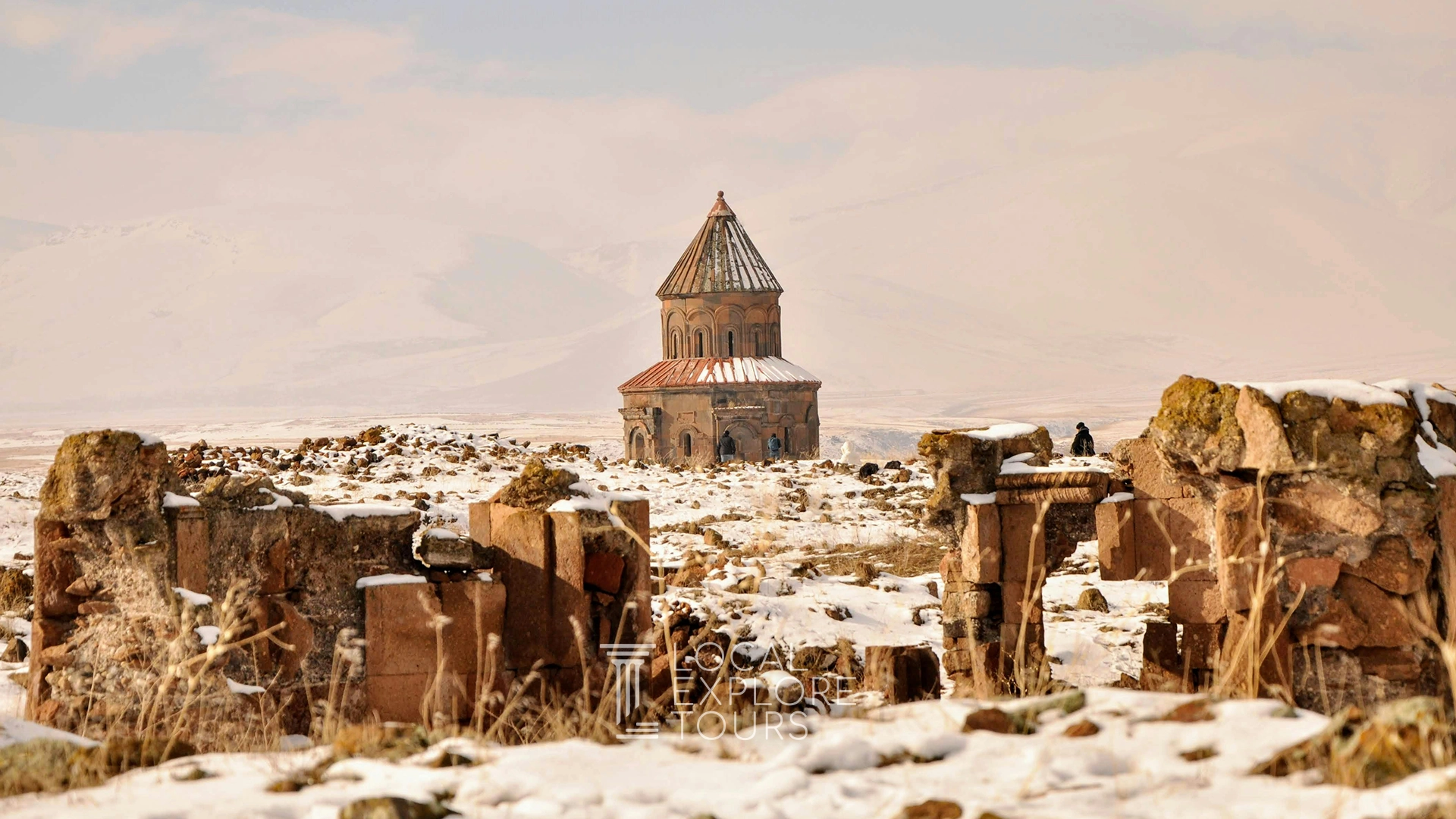
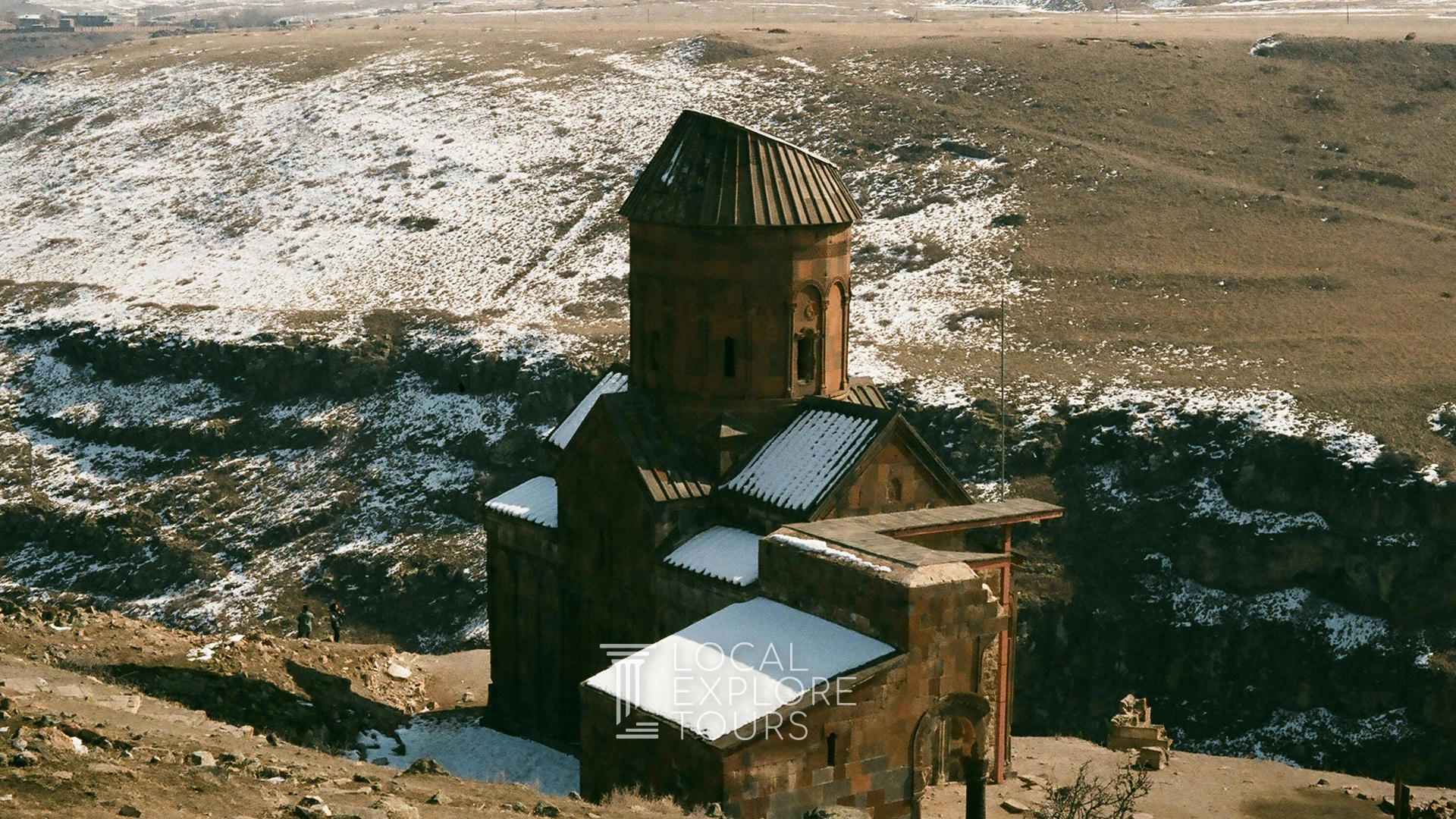
• Church of St. Gregory of Tigran Honents, celebrated for its vivid frescoes that narrate biblical scenes.
• Church of the Redeemer, with its partially collapsed dome, serving as a poignant symbol of time’s passage.
Massive city walls still encircle much of the plateau, reflecting the sophisticated defensive strategies of the Middle Ages.

A Crossroads of Civilizations
Ani was not only an Armenian stronghold but also a cultural crossroads shaped by Byzantine, Seljuk, and Georgian influences. Over centuries, the city changed hands multiple times, with each civilization leaving its mark on Ani’s layered identity.
Islamic architecture is also present, most notably the Minuchir Mosque, considered one of the earliest mosques built in Anatolia. The coexistence of Christian and Islamic monuments makes Ani a rare and powerful testament to cultural exchange and coexistence.
Decline and Abandonment
Ani’s prosperity gradually declined due to repeated invasions, devastating earthquakes, and shifts in major trade routes. By the 14th century, the city was largely abandoned and left to the forces of nature and time. Its remote location along the modern Turkey–Armenia border helped preserve the site until systematic archaeological studies began. In 2016, Ani was officially inscribed as a UNESCO World Heritage Site, confirming its outstanding universal value.

Visiting Ani Today
Ani is located near the city of Kars in northeastern Turkey, approximately a 45-minute drive from the city center, making it an easy and rewarding day trip.
The plateau offers sweeping views toward the Armenian border, adding dramatic depth to the experience. As an open-air archaeological site, visitors are advised to wear comfortable walking shoes, bring water, and prepare for both sun and wind.
The atmosphere at Ani is calm and contemplative, giving visitors the feeling of wandering through a forgotten medieval capital frozen in time.
Fascinating Facts About Ani
• Ani Cathedral was once considered a rival to Hagia Sophia in Constantinople.
• The city featured advanced urban planning, including wide streets, marketplaces, and underground water systems.
• Marco Polo mentioned Ani in his travel accounts, highlighting its importance along the Silk Road.
• Today, Ani is one of the least crowded UNESCO World Heritage Sites in Turkey, offering a peaceful yet powerful historical experience.
Why You Should Visit Ani
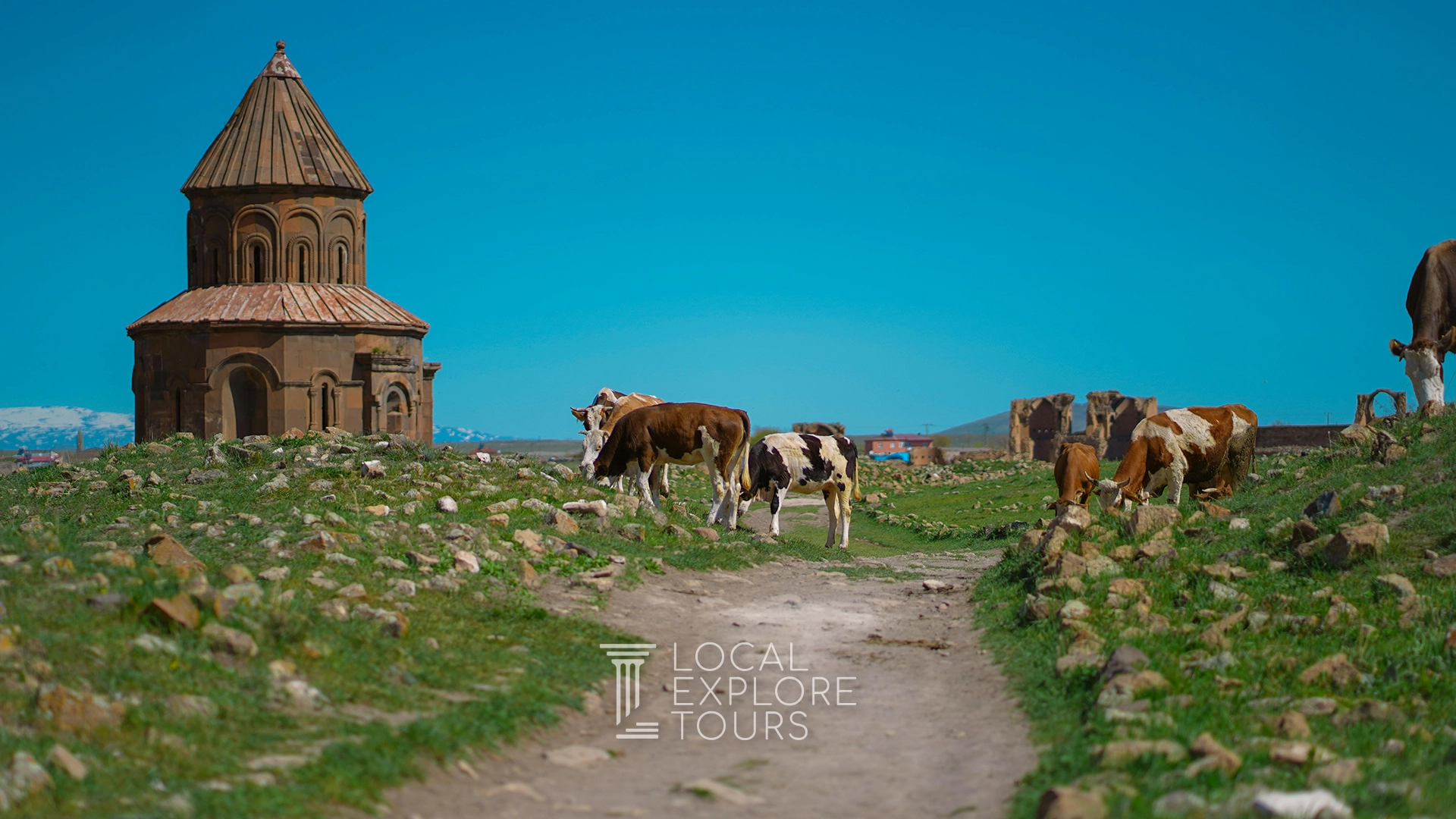
Ani is far more than a collection of ruins—it is a journey through the layered history that shaped the region. Its blend of cultures, striking medieval architecture, and breathtaking setting make it an essential stop for anyone exploring eastern Turkey.
Whether you are a history enthusiast, a photographer, or a curious traveler, Ani leaves a lasting impression that lingers long after your visit.
Ready to discover Ani and other hidden treasures of Eastern Turkey?
Contact us today and let us design a personalized journey through the forgotten cities of history.